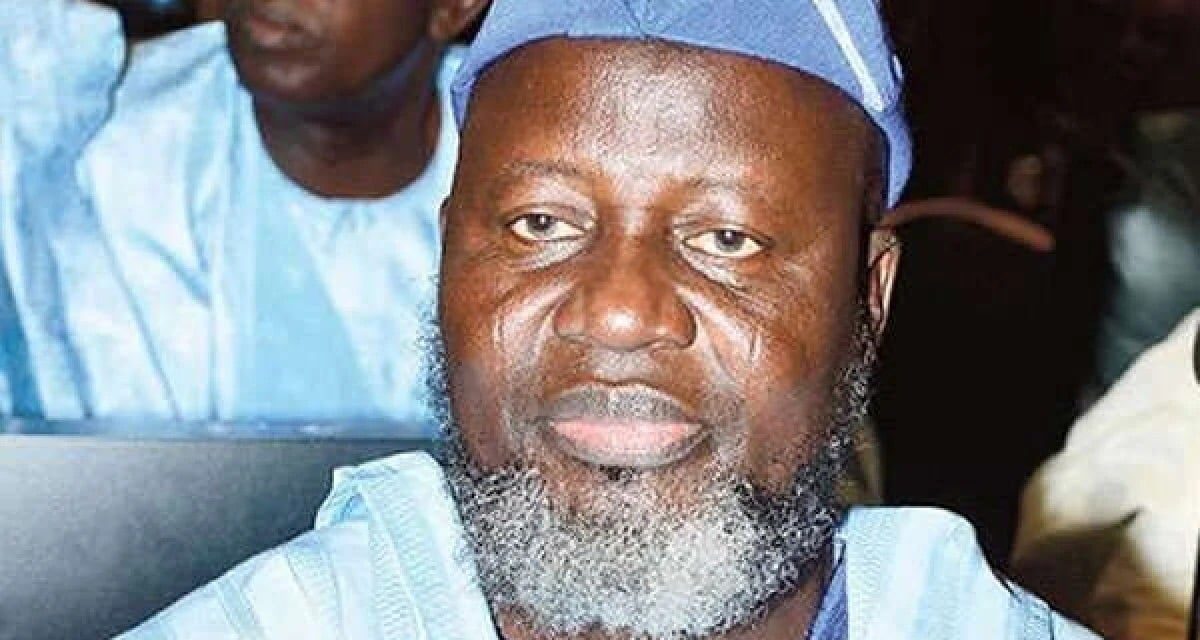

A former Minister of Communications, Adebayo Shittu, has urged the Federal Government to deal with training as a basic proper and never burden students with loans.
Shittu spoke on Tuesday throughout an interview on Frontline, a present affairs programme on Eagle 102.5 FM, Ilese-Ijebu, monitored by DAILY POST in Abeokuta.
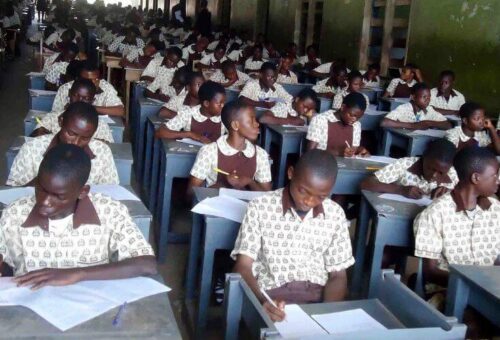
The former minister stated authorities insurance policies ought to deal with creating alternatives for kids from poor houses, stressing that entry to training should be thought of alongside employment, healthcare and basic welfare of residents.
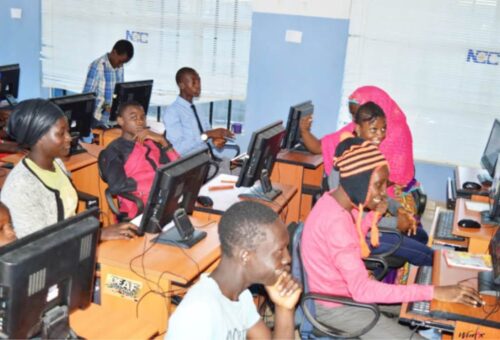
“Today, we have in this country graduates who graduated ten years ago and are still looking for jobs. They don’t have jobs and they are talking about giving them loans. I don’t believe in loans. I believe in fundamental rights,” he stated.
Shittu challenged Nigerians to look at the training goals within the 1999 Constitution, arguing that authorities has a duty to advertise entry to training and create circumstances for residents to develop their potential.
“I challenge everyone to go and look at the education objectives in the Constitution of Nigeria, the 1999 Constitution,” he said.
He stated elevating kids ought to replicate communal values slightly than being left solely to particular person households.
“In our local community, a child born into a community is the responsibility of the entire community to train, to educate and to provide for,” he added.
According to him, the difficulty is about authorities priorities and administration of assets, noting that earlier governments invested in free training, healthcare and different social providers.
Shittu stated Nigeria has the assets to enhance entry to training, citing Rwanda for example of a nation that has invested closely in human improvement.
He expressed concern over financial hardship, saying he receives messages from students who wrestle to afford primary wants, together with meals.
The former minister stated authorities insurance policies ought to be judged by their impression on peculiar Nigerians, particularly poor households, and known as for stronger implementation of constitutional provisions on training.
He famous that investing in training would scale back future social issues by equipping younger Nigerians with expertise to contribute meaningfully to society.