Malnutrition admissions at 10 well being facilities supported by the International Committee of the Red Cross (ICRC) in north-eastern Nigeria rose 18 per cent in the primary 9 months of 2026.
The facilities recorded practically 20,000 admissions between January and September, up from about 17,000 in the identical interval of 2025, the ICRC stated in a statement on Thursday.
The figures cowl six well being centres and 4 hospitals. Young kids, pregnant ladies and breastfeeding moms have been amongst these most affected.
Mubi in Adamawa State noticed the sharpest rise, from about 4,600 admissions in the primary 9 months of 2025 to roughly 5,700 this 12 months, a rise of practically 24 per cent.
The newest numbers observe earlier ICRC warnings about rising demand for dietary therapy in conflict-affected areas.
In October 2024, the organisation reported a 24 per cent enhance in extreme acute malnutrition admissions between the third quarters of 2023 and 2024, from 6,824 to eight,470.


Admissions of kids beneath 5 with extreme acute malnutrition and medical problems additionally rose from 1,212 to 1,691 in the identical interval.
These figures cowl completely different reporting intervals and affected person classes and can’t set up a steady three-year development.
They do, nevertheless, present repeated will increase in demand for dietary therapy.
Mothers battle
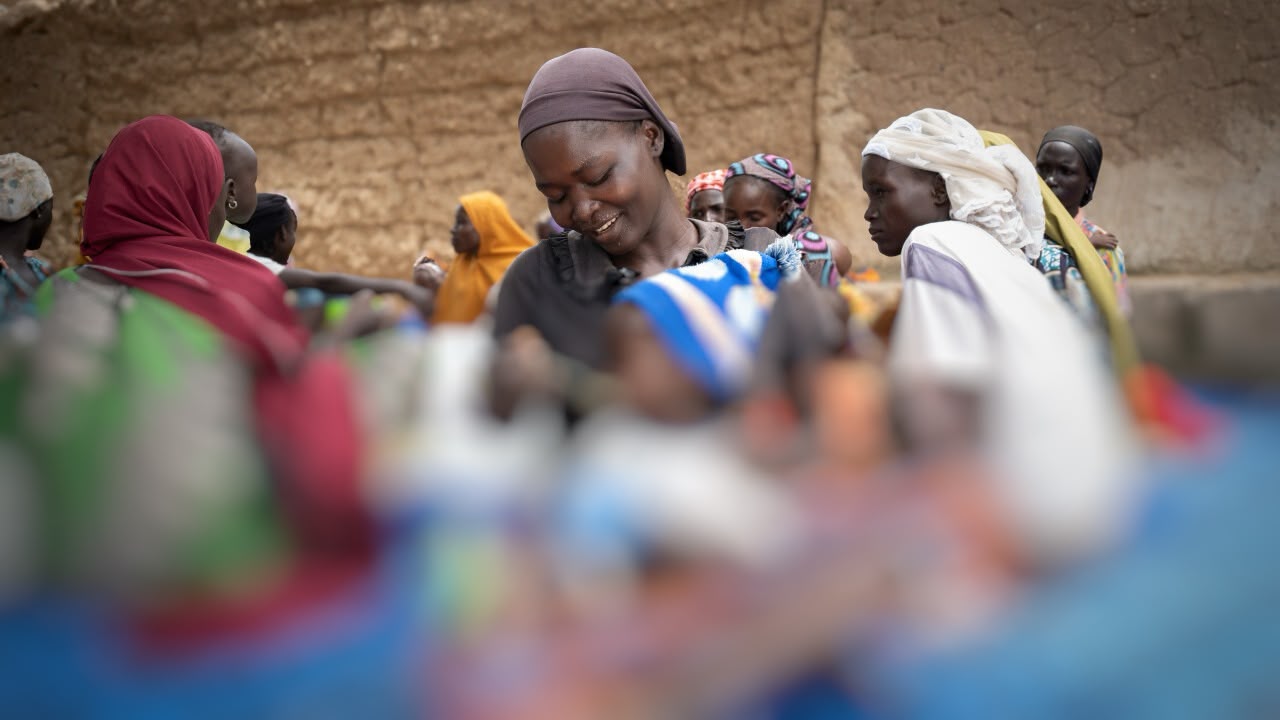
At the Mubi Stabilisation Centre, Zulaihatu Mohammed introduced her six-month-old daughter, Huseina, certainly one of her twins, for dietary assist.
“When I gave birth to them, this one was tiny,” she advised the ICRC. “I came today for the routine collection of children’s food. She is not feeling well. Since I gave birth to her, she has been unwell.”
Armed violence, local weather shocks and financial pressures have disrupted livelihoods and restricted entry to meals.
According to the ICRC’s video report, farmer Saminu Ijaduwa cultivates a small plot close to his dwelling as a result of explosive units have made extra distant fields harmful.
“Due to the conflict, going one kilometre out of town to farm could be highly risky. You might not return!” he stated in the ICRC report.
Restrictions on farming and disrupted markets have made it more durable for households to supply or purchase sufficient meals, notably affecting younger kids and pregnant and breastfeeding ladies.
Humanitarian response
In a March 2026 report, the ICRC stated greater than 36,000 folks acquired therapy for extreme acute malnutrition at its supported facilities in Borno, Adamawa and Yobe states throughout 2025.
The complete included greater than 16,000 kids beneath 5 and greater than 19,000 pregnant and breastfeeding ladies.
The organisation additionally supplied money help to greater than 17,000 susceptible households through the 2025 lean season.
Those annual therapy figures are usually not instantly comparable with the brand new nine-month admission totals.
The ICRC stated it’s working with the Nigerian Red Cross Society to assist 15 main healthcare centres and 4 hospitals and to help greater than 200 communities with malnutrition therapy and food-security programmes.
Interventions embrace supplying farmers with seeds tailored to drought and flooding, selling crop diversification and educating moms to arrange nutritious meals from native substances.
One such combination of sorghum, millet, soybeans, groundnuts and moringa, referred to as Tom Brown, has helped greater than 13,000 younger kids get better from average acute malnutrition, in line with the ICRC. Mothers are additionally taught how you can put together it at dwelling.
READ ALSO: Over 87,000 children treated for malnutrition in Katsina in eight months – MSF
Wider meals insecurity
The rise in admissions comes because the Food and Agriculture Organisation (FAO) and the World Food Programme (WFP) determine Nigeria among the many world’s starvation hotspots of highest concern in their June to November 2026 outlook.
Citing United Nations evaluation, the ICRC stated greater than 34 million folks in Nigeria have been anticipated to face inadequate entry to meals in 2026, the very best determine in six years.
In the North-east, extended battle continues to limit entry to farmland and undermine family livelihoods, in line with the ICRC.
Discover extra from Premium Times Nigeria
Subscribe to get the newest posts despatched to your e-mail.